When tasked with powering a nation, governments face the complex challenge of supplying sufficient energy to sustain growth while ensuring that the methods employed are both sustainable and secure. The question confronting Kazakhstan today extends beyond merely diversifying its energy mix; it also encompasses how to fuel an emerging economy that is expected to grow significantly in the coming years.
Currently, Kazakhstan relies heavily on fossil fuels. However, there is rightly a conscious effort to pivot toward sustainable and clean energy sources. While renewable energies like wind and solar offer many benefits, they also present limitations—such as unstable generation and high costs—that are amplified by Kazakhstan's vast geography and low population density. Hence, renewables alone cannot resolve the nation's energy quandary.
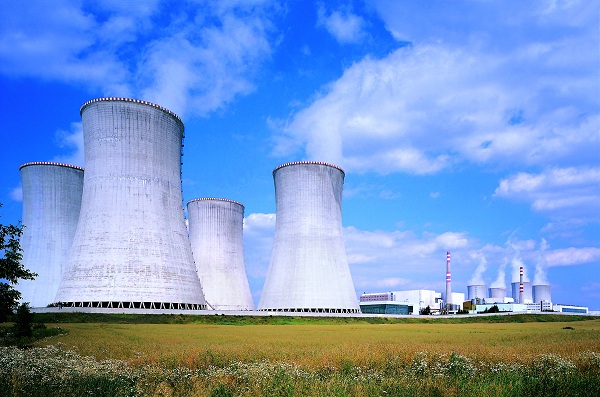
A reliable, long-term solution is needed, and nuclear energy is emerging as a strong contender. The rationale is compelling: modern nuclear reactors have design lifetimes of 60 years, often extendable up to 100 years. Kazakhstan's abundant uranium reserves provide not only an energy solution but also the opportunity to establish a virtually closed-loop nuclear fuel cycle—from extraction and processing to finished nuclear fuel production—thereby ensuring both energy security and a contribution to global nuclear safety.
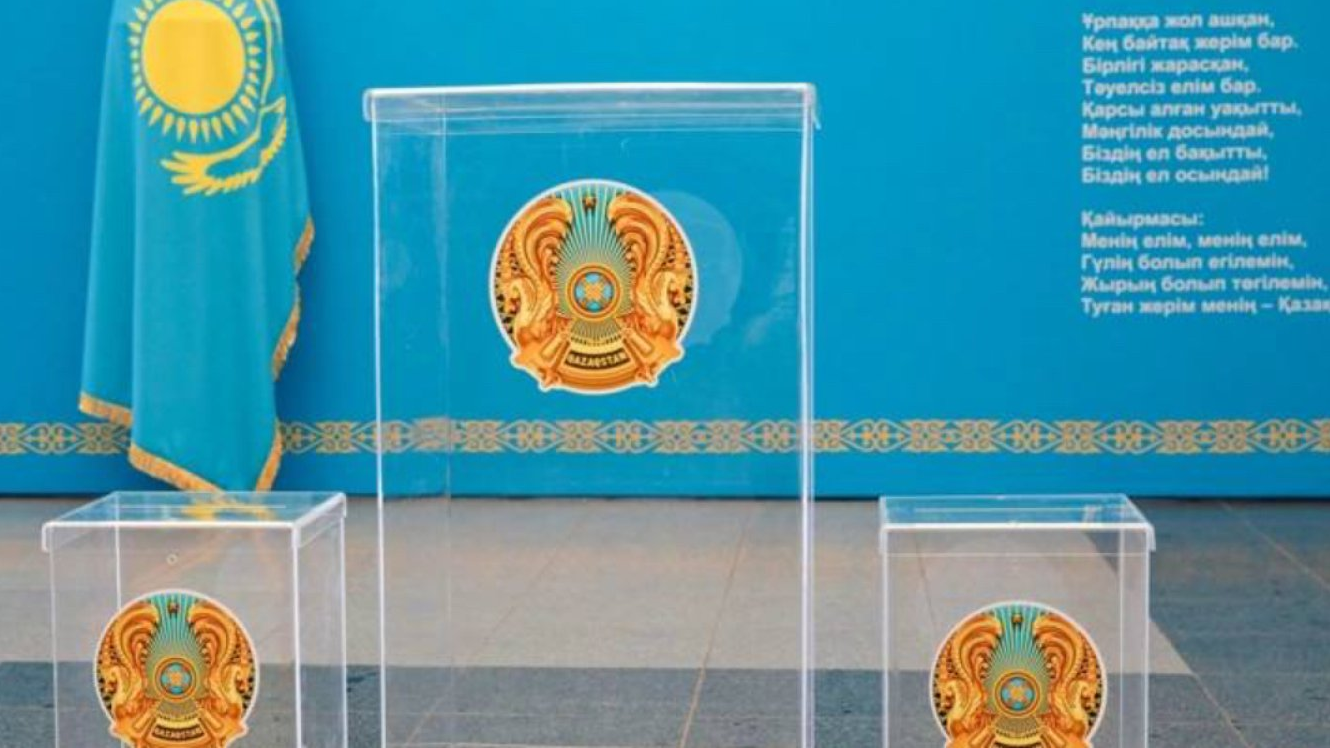
Kazakhstan’s President, Kassym-Jomart Tokayev, recently announced the possibility of a national referendum on constructing a nuclear power plant. This would be a sensible move. The democratic process would enable Kazakh citizens to directly voice their opinions on this crucial matter, thereby ensuring government accountability.
There are several compelling reasons why I strongly believe that nuclear energy is the correct course of action for Kazakhstan.
Firstly, establishing a nuclear power plant would substantially diversify Kazakhstan's energy mix. This would make the country less dependent on external sources of energy, thereby strengthening national sovereignty. It is worth noting that Kazakhstan has been a world leader in uranium production and export since 2009, accounting for approximately two-fifths of global uranium production. Utilizing this domestic resource for a nuclear power plant could cement Kazakhstan's strategic importance in the global nuclear industry. Coupled with our previous experience, this presents a strong case for considering nuclear energy as a viable option.
Secondly, beyond the sheer amount of energy output, there are convincing economic and environmental reasons to consider nuclear energy. Constructing and running a nuclear power plant would generate substantial job opportunities, thereby further contributing to the national economy. Almost 18,000 people are already employed in Kazakhstan in the peaceful use of nuclear energy. From an environmental standpoint, nuclear energy produces low carbon emissions, which aligns well with global efforts to combat climate change. President Tokayev recently emphasized the importance of transitioning to a green economy, and with Kazakhstan aiming to achieve carbon neutrality by 2060, nuclear energy stands out as a viable option.
Moreover, the establishment of the International Atomic Energy Agency's (IAEA) Low-Enriched Uranium Bank in Kazakhstan in 2017 serves as a testament to the international community's trust in our nation's ability to handle nuclear materials safely and responsibly. Our active membership in the IAEA guarantees that any nuclear power plant constructed will adhere to international safety standards. Additionally, the potential for international collaborations in the field of nuclear technology could pave the way for stronger economic ties with nations that specialize in this field.
Kazakhstan is not a newcomer to the realm of nuclear energy production. Between 1974 and 1998, the country operated the world's first fast-breeder reactor, the BN-350. The expertise gained during that period could prove invaluable as we contemplate reintroducing nuclear energy into our national grid. Although plans for nuclear plants were shelved in the 1990s due to economic constraints, we are revisiting this path now, equipped with modern safeguards and technologies. Small modular reactors (SMRs), which are well-suited to Kazakhstan's needs, are also under consideration. In fact, we are exploring innovative approaches that would integrate these SMRs with renewables, which would create a hybrid system that maximizes the benefits of both energy sources.
Preliminary studies for constructing a nuclear power plant, initiated in 2018, confirmed the feasibility of launching such a project in southern Kazakhstan to address the anticipated energy deficit of up to 2.7 GW by 2030. Additionally, by replacing our outdated coal-fired power stations with SMRs, we could reduce the capital costs of setting up new nuclear plants by 15-20%. This is akin to replacing an old, gas-guzzling car with a fuel-efficient electric vehicle; we can modernize the most essential components while retaining those that still function well.
The journey toward a more sustainable and secure energy future comes with its own challenges, including human capital development. If Kazakhstan chooses to adopt nuclear energy, it will need a workforce highly trained in both nuclear technology and the stringent safety protocols that go along with it. I see this challenge as an opportunity for job creation, skills development, and even potential international collaboration.
In conclusion, as Kazakhstan stands at this energy crossroads, the way forward seems increasingly clear. While renewable energy will undoubtedly play a role in our nation's future, nuclear energy offers a compelling, long-term solution capable of sustaining our growing economy. By making well-informed decisions now, leveraging our past expertise, and incorporating modern technologies and international best practices, Kazakhstan can achieve a balance between economic growth, energy sustainability, and security.
Timur Zhantikin is General Director of Kazakhstan Atomic Power Stations' LLP.