A team of researchers from Nazarbayev University School of Medicine has conducted a unique study that advances the diagnosis of cardiovascular diseases and has drawn the attention of the American Heart Association. For the first time in the world, researchers compared a new cardiac biomarker — hemodynamic forces — simultaneously using two imaging modalities: transthoracic echocardiography and cardiac magnetic resonance imaging (MRI).
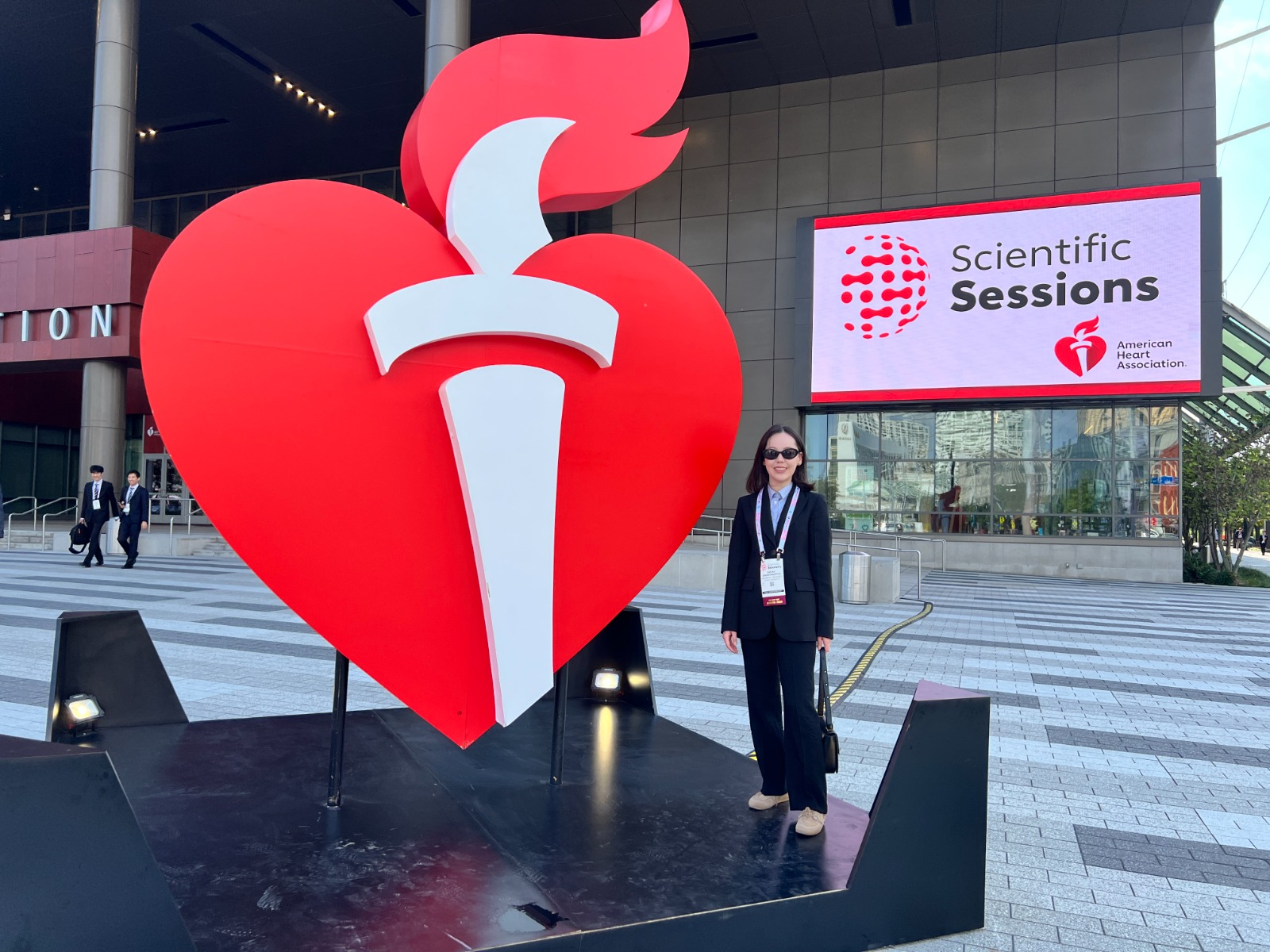
The results were published in Nature: Scientific Reports and presented at the American Heart Association 2025 conference held in New Orleans, USA, November 7-10, 2025. The same group of healthy volunteers participated in the study, which allowed for precise comparison of the two methods. The researchers found that ultrasound consistently underestimates the values compared to MRI. This means that the data from these two methods cannot be used interchangeably, and the differences must be considered for accurate clinical interpretation.
Hemodynamic forces are considered a promising indicator of early heart dysfunction because they can detect subtle dysfunction before symptoms appear. Thanks to Kazakh researchers, reference values for these indicators in healthy individuals have been established for the first time — benchmarks that specialists worldwide can now use.
This work sets a new starting point for future research in cardiovascular imaging. It is the first study of its kind globally and demonstrates that Kazakhstan is conducting research that meets international scientific standards.
“Acknowledgement from the American Heart Association highlights the strength of growing cardiovascular research at Nazarbayev University and our contribution to global science,” noted Aizhan Zhankorazova, a researcher at NU School of Medicine.