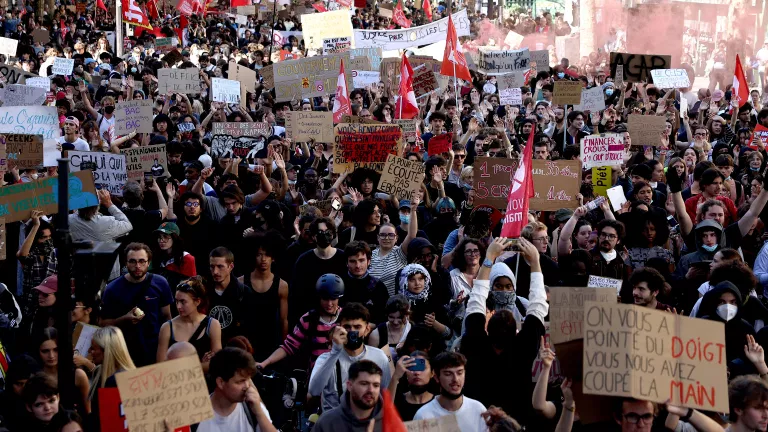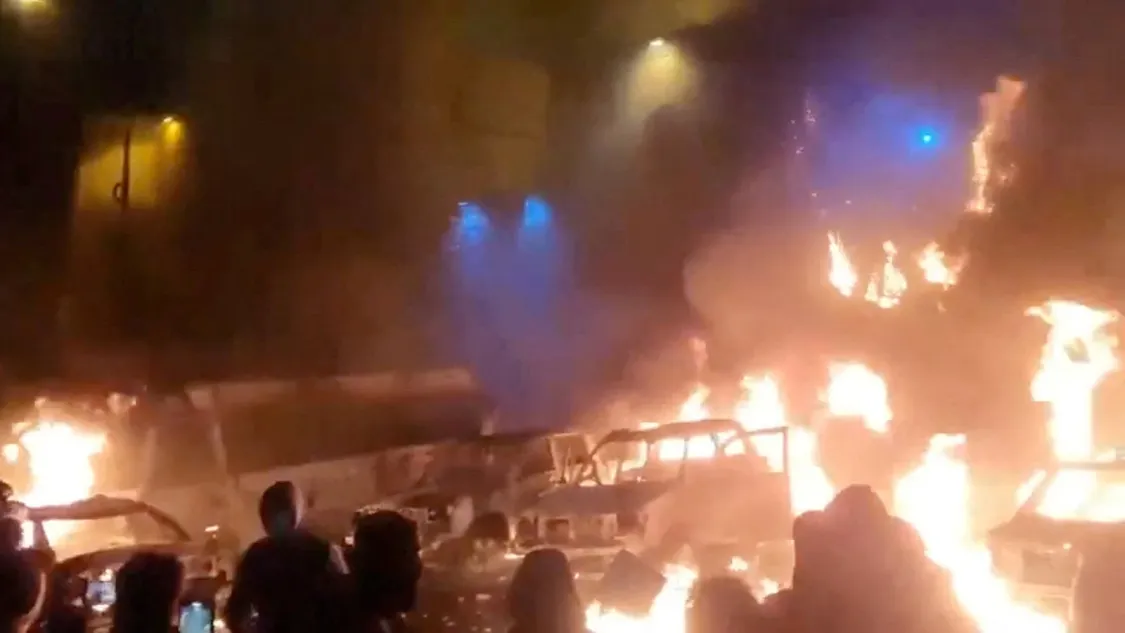
The largest anti-government protests in Iran in the past three years have been ongoing for two weeks. Despite internet shutdowns and strict security measures, residents once again took to the streets on Saturday evening in Tehran and other cities. This was reported by the BBC, according to Adyrna.
Amid the protests, Reza Pahlavi, the son of Iran’s last deposed shah, called on demonstrators to take control of city centers and continue the protests.
According to the US-based human rights organization Human Rights Activist News Agency (HRANA), since the protests began, approximately 50 civilians and 15 members of the security forces have been killed. More than 2,311 people have also been detained.
The Norway-registered organization Iran Human Rights (IHRNGO) has likewise confirmed that at least 50 people have died. According to the organization, nine of the victims were children.
Despite internet restrictions, videos obtained by the BBC show protesters chanting slogans against Iran’s Supreme Leader Ayatollah Ali Khamenei. Some demonstrators were also heard chanting the name of Reza Pahlavi, expressing their support for him.
Pahlavi, who is currently based in the United States, urged Iranians to continue protesting over the weekend and stated that he is ready to return to Iran “if the national revolution succeeds.”
Iranian authorities have linked the unrest to US influence. In a letter sent to the UN Security Council, Iran’s permanent representative accused Washington of interfering in the country’s internal affairs.
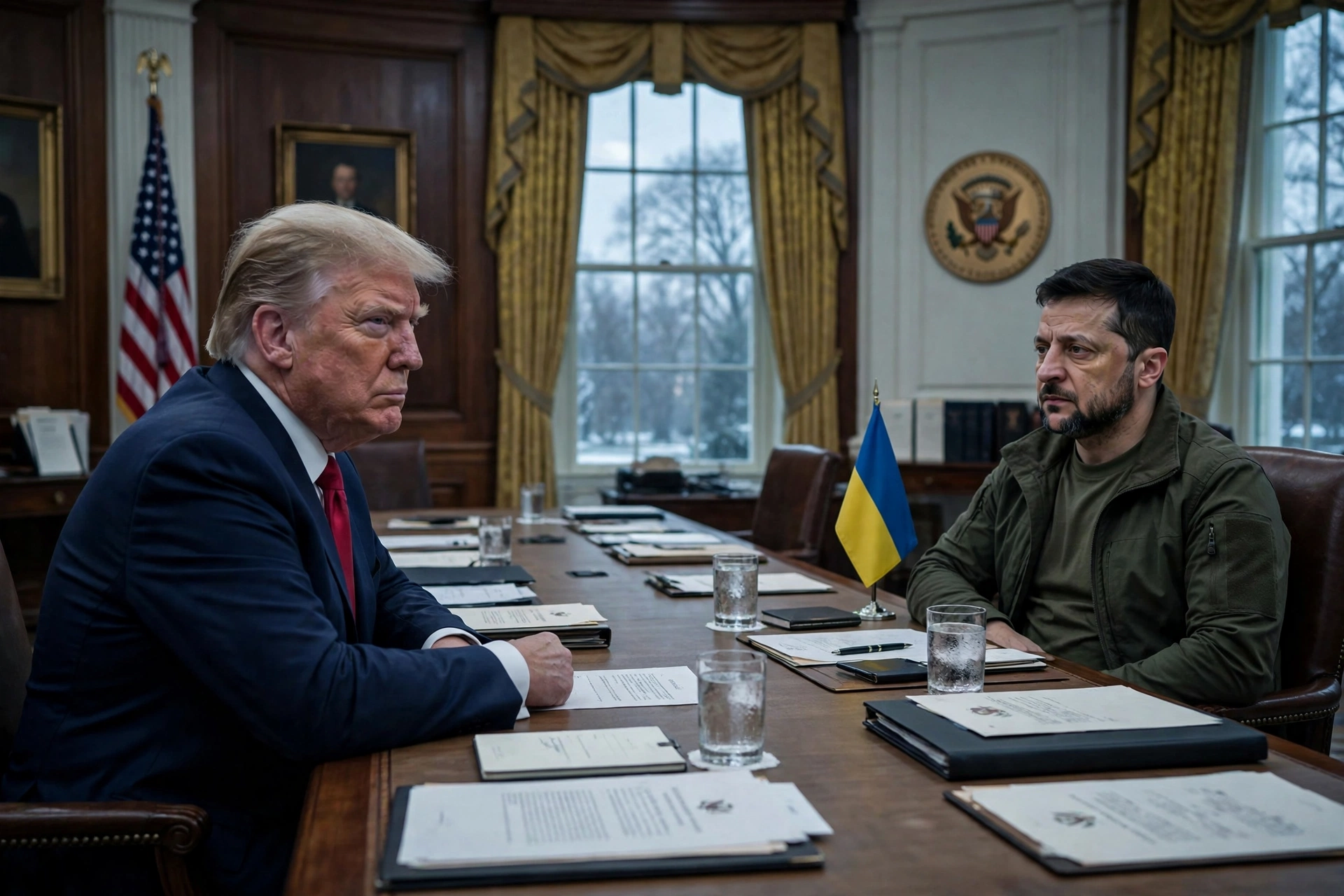
Following strikes on Iran’s nuclear facilities in June, US President Donald Trump stated that further attacks could be carried out if the government continues to use force against protesters.
US Secretary of State Marco Rubio wrote on the social media platform X that the United States stands with the Iranian people.
Meanwhile, UN Secretary-General spokesperson Stéphane Dujarric expressed concern over the growing death toll and called on the authorities to ensure the right to peaceful assembly.
Protests in Iran have been ongoing since December 28. The main causes are a sharp rise in prices and the depreciation of the national currency. Over the past year, the US dollar has appreciated by approximately 80 percent.
Initially economic in nature, the demands later evolved into political slogans, including calls for the abolition of the Islamic Republic and the restoration of the monarchy.
Although President Masoud Pezeshkian instructed security forces not to use force against peaceful protesters, Iran’s National Security Council later announced that strict measures would be taken against the demonstrations within the framework of the law. Authorities have described the protesters as a threat to national security.