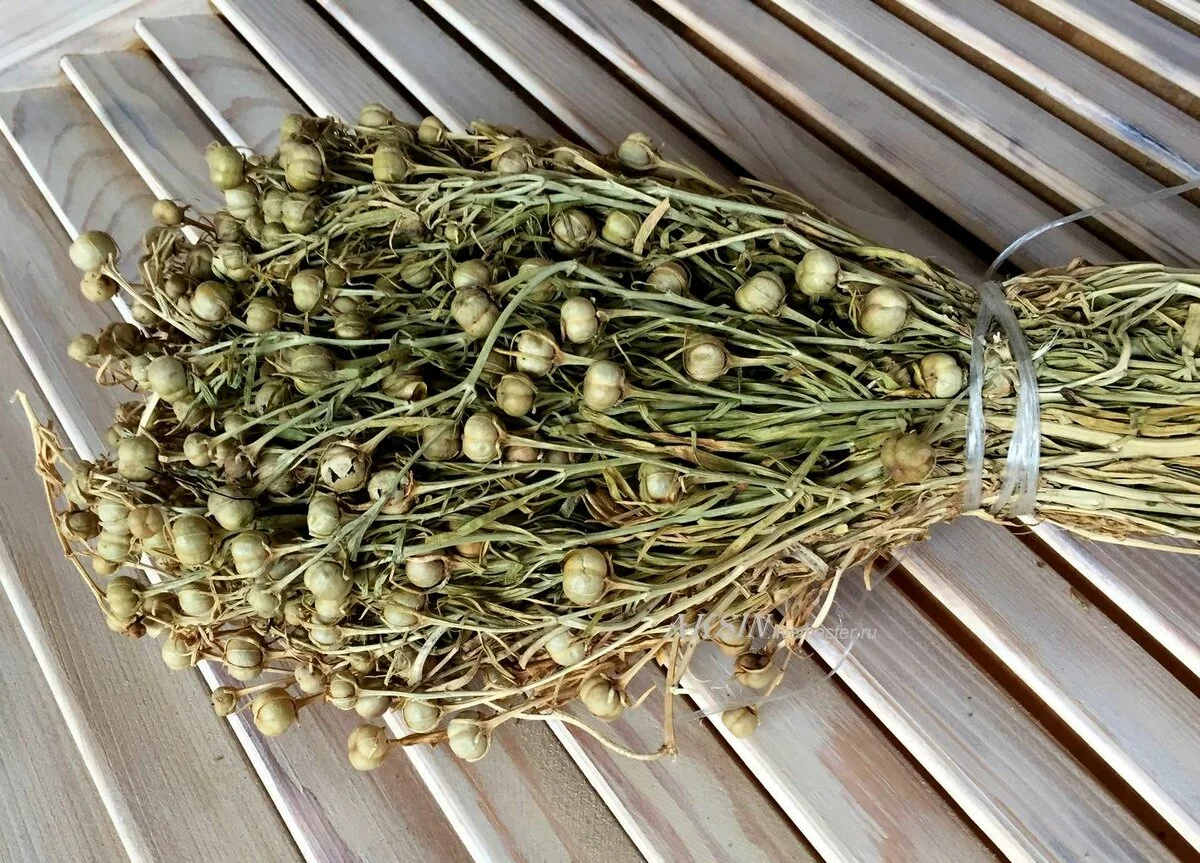
In Russia, a Tajik citizen has been sentenced to eight years in prison for attempting to bring the adyraspan plant into the country. This was reported by Asia-Plus, citing the Prosecutor General’s Office of Tajikistan, Adyrna reports.
The woman was detained at a Russian airport. She was charged under Article 228, Part 2 of the Criminal Code of the Russian Federation (“possession, transportation, production, and processing of narcotic substances without intent to sell”) and Article 229.1, Part 3 (“illegal transfer of plants containing narcotic substances across the customs border of Russia”).
“After the investigation was completed, the criminal case was sent to court, and the court sentenced the defendant to eight years in prison,” the Prosecutor General’s Office of Tajikistan stated.
No other details of the case were provided. It was also reported that another Tajik woman was detained at a different Russian airport on similar charges, but the court’s decision regarding her case has not yet been announced.
The Prosecutor General’s Office urged Tajik citizens to refrain from attempting to bring or use adyraspan in Russia. According to the agency, anyone found transporting or storing more than ten “khazorisfand” (another name for adyraspan) plants could face a fine of up to one million rubles or even life imprisonment.
In February 2024, adyraspan was officially added to Russia’s list of narcotic plants. The decision was based on its content of harmine, a substance that stimulates the central nervous system and has hallucinogenic effects. Even a single use can cause severe harm to human health.
Meanwhile, in Central Asian countries, adyraspan remains in high demand and holds cultural significance. It is traditionally believed to bring good fortune and wealth, and to protect people from negative energy and illnesses. The plant is often burned to fumigate homes and individuals. Former Turkmen President Gurbanguly Berdimuhamedow included adyraspan in the first volume of his book Medicinal Plants of Turkmenistan. In Turkmenistan, the plant is called yuzarlyk.